
Buy Or Sell ? Deep Analysis Of Iranian Rial Fluctuations
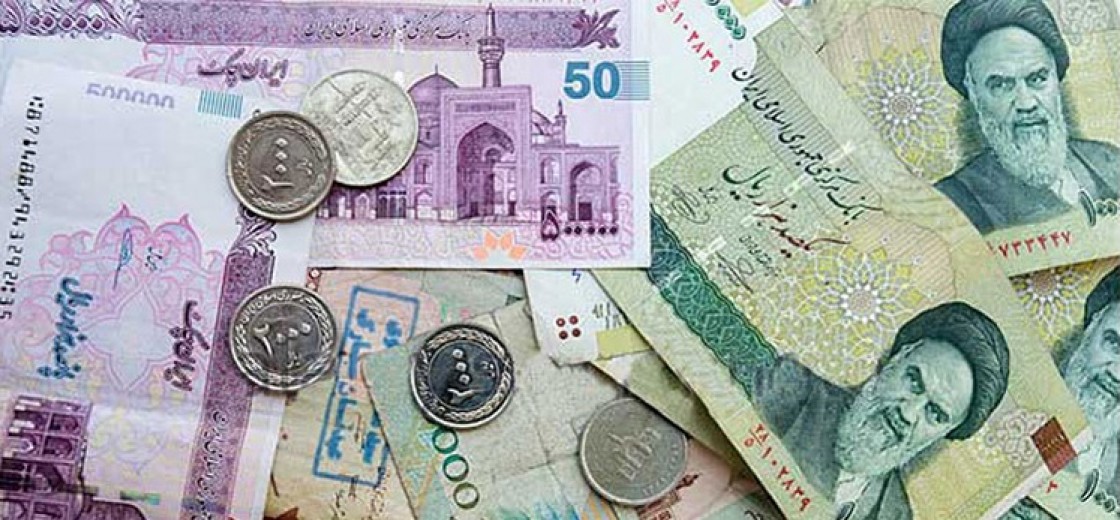
Why the Iranian Rial is Decreasing
What are the Factors Contributing to its Decline?
Will Iran's Political Situation Impact its Currency?
Will the Country's Foreign Currency Reserves Benefit or Suffer?
Here, we delve into the analysis of the Iranian Rial.
Several significant factors have led to the decline of the Rial against other foreign currencies.
What are these factors?
1. Sanctions: International sanctions against Iran can significantly affect the value of the Rial. These sanctions can lead to a decrease in exports and an increase in inflation, as has been the case.
2. Oil: Iran's economy is heavily dependent on oil exports. Therefore, changes in oil prices can have a significant impact on the Rial's value. Since Iran's oil is under sanctions, it has heavily affected the country's currency value.
3. Global Economic Conditions: Changes in global economic conditions, such as recession or growth, greatly affect the demand for currency and, consequently, the Rial's value.
4. Policies: Iran's government has implemented policies both domestically and internationally that have led to the country's currency recession and caused international resentment.
5. Distrust: Countries in the region are distrustful of the Iranian regime. They fear that at any moment, the Iranian regime might collapse or face military aggression from the United States.
Given all these factors, will the Rial's value rise against other foreign currencies?
The Iranian government may consider several strategies and factors to stabilize the country's currency.
These factors might include:
1. Exchange Rate Determination: The Iranian government may decide to set an official exchange rate or a rate based on economic needs, such as an exchange rate for exports and imports.
2. Market Intervention: The central bank or government may intervene in the currency market to control the exchange rate. This includes buying or selling currency in the foreign exchange market.
3. Capital Controls: The Iranian government may impose restrictions on foreign capital flows to prevent currency fluctuations. These decisions and policies may be aimed at balancing the exchange rate, controlling inflation, promoting exports and imports, and maintaining economic stability.
However, the effects of these measures have been limited and temporary, as the Rial has continued to decline against other currencies. Additionally, Iran's domestic and international situation is unfavorable. Despite efforts, Iran's currency status abroad has been unstable and declining. According to a report by "Tajarat News", in 2024, the Iranian Rial was recognized as the least valuable currency in the world.
As a result, it can be said that Iran's domestic and international situation is not favorable. On one hand, Iran is heading towards uncertain elections, and on the other hand, Iran's illogical policies, which represent the interests of other proxy groups in the region, such as the Houthis in Yemen, have jeopardized the security of global trade routes. Such policies have angered countries such as European Union members and the United States, exacerbating the situation. The possibility of new sanctions by the United States and the European Union against Iran may lead to further depreciation of the Rial and loss of its value.

Iran To Export $3 Billion In Non-oil Goods To Afghanistan This Fiscal
August 20, 2020 - 14:33The Chairman of Iran-Afghanistan Chamber of Commerce, Hossein Salimi, said Tuesday his country is expecting this year’s non-oil expor...

Iran Launches Trade Routes Through Afghanistan For Central Asia
September 01, 2020 - 12:34Two new key trade corridors between Iran and Central Asian countries, through Afghanistan, have been launched and are expected to considera...
Iranian Rial Increased 1.56% Against Afghani
April 27, 2021 - 14:251,000 Rials reached AFN 3.25, while yesterday in local markets it was 3.2 AFN, as a result it changes 1.56%. iranian rial continues uptrend...